
by Gillian MacMaster | Dec 3, 2024 | Moving and relocation
Winter may not be the first season that comes to mind when you think of selling a home, but it can actually be one of the best times to put your house on the market. The period between the holidays and the new year is often referred to as the “winter sweet spot”—a time when you can benefit from fewer listings, motivated buyers, and quicker sales. Here’s why selling your house in the winter can work to your advantage, and how you can maximize your success.
1. Less Competition, More Visibility
One of the most significant benefits of selling your home during winter is the lack of competition. Many homeowners prefer to wait for spring or summer to sell, leaving fewer listings on the market. With fewer homes for sale, your property stands out more, drawing attention from buyers who are actively searching.
Additionally, because of this reduced inventory, you’re likely to attract serious buyers who have already done their homework and know what they want. The market is quieter, but those who are shopping are often motivated and ready to make a deal.
2. Motivated Buyers Looking to Close Quickly
Winter buyers tend to be highly motivated for a variety of reasons, making them more likely to act quickly.
- Tax Benefits: Many buyers want to finalize their purchase before the end of the year to take advantage of tax deductions on mortgage interest and property taxes. This creates an added sense of urgency.
- Corporate Relocations: Winter is a prime time for job-related moves, as businesses often relocate employees at the start of the new year. These buyers are often on tight timelines and need to find a home quickly.
- Interest Rates: If interest rates are relatively low, buyers may want to secure a good mortgage rate before rates rise again. This creates an additional incentive for them to close a deal before the year ends.
3. Create a Cozy, Inviting Atmosphere
Selling a home in winter means you have the opportunity to showcase the warmth and coziness of your property. During cold months, buyers are looking for a home that feels like a sanctuary from the harsh weather, so it’s essential to make sure your home exudes comfort.
- Highlight Cozy Features: If your home has a fireplace, make sure it’s ready for showings and use it to create a warm atmosphere. Soft lighting, plush throws, and warm colors can help buyers imagine themselves relaxing in the space.
- Holiday Staging: If you’re celebrating the holidays, simple and tasteful decorations can create a festive atmosphere. However, avoid going overboard with decorations so as not to distract from the home’s features.
- Curb Appeal: Winter landscaping may not be as lush as in spring or summer, but you can still make sure your property stands out. Keep walkways and driveways clear of snow and ice, and if you have outdoor lighting, use it to enhance the property’s charm.
4. Serious Negotiations Lead to Better Deals
During the winter, buyers are often more focused and pragmatic, leading to fewer emotional purchases. Since there’s less of a rush to buy during the off-season, negotiations are typically more straightforward, without the bidding wars that can sometimes occur in the spring or summer.
Buyers in winter may be looking for quick closings, which means you might be able to negotiate a favorable deal that benefits both parties. It’s also worth noting that some buyers may want to finalize a deal before the new year to start fresh in their new home.
5. Faster Closing Process
The winter months often offer faster closing times. With fewer transactions taking place, your real estate agent, attorney, and other professionals involved in the sale may have more time to devote to your deal. This can result in a smoother and faster closing process. Buyers who are motivated to move in before the new year will appreciate the quicker timeline.
Moreover, inspectors and appraisers may have more availability during the winter, meaning you can get through inspections and appraisals without the delays that sometimes occur in busier seasons.
6. Effective Marketing Strategies for Winter Sales
Although winter means fewer people are out and about looking for homes, it doesn’t mean there’s a lack of interest. With today’s technology, you can market your home effectively to reach remote or busy buyers.
- High-Quality Photos and Virtual Tours: A strong online presence is essential, and high-quality photos or 3D virtual tours can help showcase your home to remote buyers. This can be especially useful for those looking to relocate.
- Targeted Advertising: You can also focus on digital marketing strategies targeting people in specific situations—like those relocating for work or buyers hoping to secure tax benefits. Social media and online real estate listings offer targeted ad options to help you reach the right audience.
Tips for Selling Your House in Winter:
- Price it Right: Even though winter offers less competition, it’s crucial to price your home correctly. Do your research and make sure your home is priced competitively to attract motivated buyers.
- Keep It Warm: Buyers will appreciate a well-heated home. Make sure your heating system is in good condition, and set the thermostat to a comfortable temperature during showings.
- Safety First: Winter weather can create slippery conditions. Keep your driveway and walkways clear of snow and ice to avoid accidents and make the home easy to access.
- Simplify Holiday Decorations: If you decorate for the holidays, make sure your decorations enhance your home’s appeal. A few festive touches can make the house feel warm and welcoming, but avoid cluttering the space with too many decorations.
Conclusion: Winter is the New Prime Time for Selling
The winter sweet spot offers unique opportunities for sellers who are willing to embrace the season. With less competition, motivated buyers, and a cozy atmosphere to showcase, selling your home during winter can lead to quicker sales and better deals. By pricing your home correctly, highlighting its best features, and using effective marketing strategies, you can make the most of this often-overlooked season and sell your home successfully before the new year.

by Gillian MacMaster | Nov 7, 2024 | Moving and relocation
Even though affordability is improving, buying a home can still feel tough right now. But here’s some good news: builders are focusing their efforts on building smaller homes, and they’re offering key incentives to buyers. And both of these things can be a big help if you’re worried about finding a home that’s right for your budget.
Builders Are Building Smaller Homes
During the pandemic, homebuyers were looking for larger homes—and many could afford them. Builders responded to that demand and created bigger spaces to help people with things like working from home, setting up home gyms, and having extra rooms for virtual school.
Now, with affordability as tight as it is, builders are turning their focus to smaller single-family homes. Data from the Census shows how significant this trend toward smaller new homes has been over the last couple of years (see graph below):
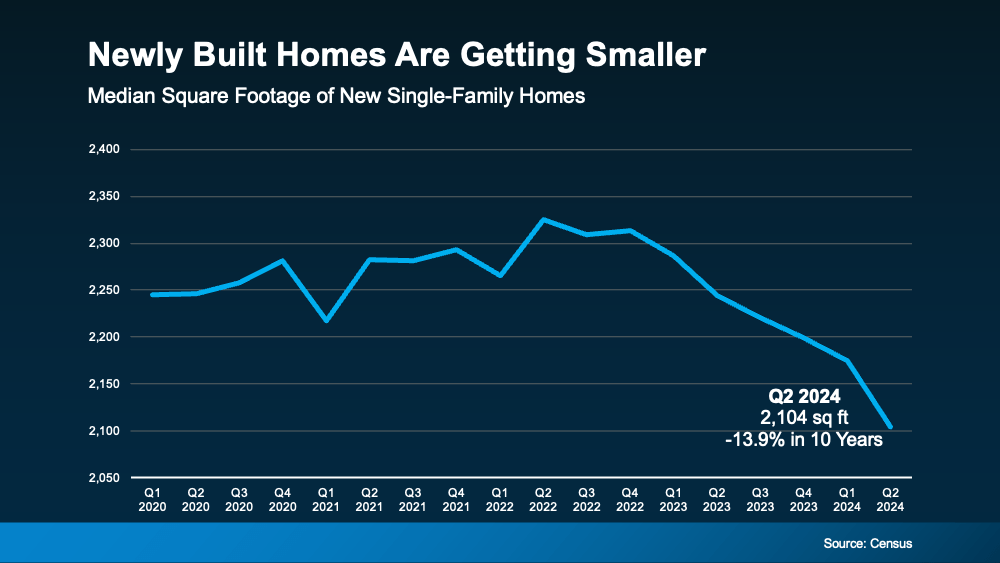 But why would builders want to build smaller homes right now? At the end of the day, builders are going to focus on building homes that meet current market demand – because they want to build what they know will sell. And the number one thing homebuyers are looking for right now is better affordability. Since smaller homes typically come with smaller price tags, both buyers and builders have shifted their focus to homes with less square footage. The National Association of Home Builders (NAHB) reports:
“. . . home buyers are looking for homes around 2,070 square feet, compared to 2,260 20 years ago.”
And according to Orphe Divounguy, Senior Economist at Zillow:
“Not only are cash-strapped buyers continually seeking out lower-cost options, but developers are changing what type and size of home they’re producing to try and meet that need.”
How a Newly Built Home Can Help You Achieve Your Home buying Goals
So, if you’re having a hard time finding something in your budget, it may be time to look at brand-new homes that have a smaller footprint. When you do, you may get a few other fringe benefits that can help on the affordability front – like price reductions or mortgage rate buy-downs.
According to the most recent data from Zonda, more than half of builders are offering incentives, some of which are mortgage rate buy downs. And those perks could help lower your future monthly housing payment too. John Burns, CEO of John Burns Research & Consulting, shares:
“The monthly payment matters more than anything else and builders have responded with smaller, more efficient homes.”
Not to mention, with new home construction, you’ll also get brand new everything, have fewer maintenance needs, and get some of the latest features available. That’s worth looking into, right?
Bottom Line
With builders focusing on smaller homes, you have more budget-friendly options when it matters most. If you’re thinking about buying a home soon, work with a local real estate agent to see what’s available where you want to live.

by Gillian MacMaster | Oct 25, 2024 | Advice For Renters, Housing Market Updates, Lease Agreements, Maintenance, Moving and relocation
A lease agreement is a crucial document in property management, serving as a legal contract between landlords and tenants. Understanding its components is essential for both parties to protect their rights and ensure a harmonious rental experience. This article breaks down the key elements of lease agreements, common types, and tips for effective management.
1. Key Components of a Lease Agreement
- Parties Involved: The lease should clearly identify the landlord (or property management company) and the tenant. Both parties must provide their full names and contact information.
- Property Description: A detailed description of the rental property, including the address, unit number (if applicable), and any included amenities, should be included.
- Lease Term: This specifies the duration of the lease, whether it’s a fixed-term (e.g., one year) or a month-to-month agreement. It’s important for both parties to understand the start and end dates.
- Rent Details: The lease must state the monthly rent amount, due date, acceptable payment methods, and any late fees. It’s also wise to outline the conditions under which rent can be increased.
- Security Deposit: Most leases require a security deposit to cover potential damages or unpaid rent. The lease should specify the amount, conditions for its return, and any deductions that may be taken.
- Maintenance Responsibilities: Clearly outline who is responsible for property maintenance and repairs. This section can help avoid misunderstandings later.
- Pet Policy: If pets are allowed, the lease should detail any pet deposits, fees, and restrictions regarding species, breed, or size.
- Termination Clause: This section explains the conditions under which either party can terminate the lease early, including notice periods and potential penalties.
2. Common Types of Lease Agreements
- Fixed-Term Lease: A lease with a specific start and end date, providing stability for both parties.
- Month-to-Month Lease: A more flexible option that automatically renews each month until either party provides notice to terminate.
- Commercial Lease: Designed for business properties, these leases often have different terms and conditions compared to residential leases.
3. Tips for Effective Lease Management
- Clarity is Key: Use clear, straightforward language to avoid ambiguity. Both parties should fully understand their rights and obligations.
- Regular Updates: Laws and regulations regarding rental properties can change. Regularly review and update your lease agreements to ensure compliance.
- Document Everything: Keep a signed copy of the lease for both the landlord and tenant. This serves as a reference point in case of disputes.
- Communicate Openly: Encourage tenants to ask questions about the lease. Open communication fosters a good landlord-tenant relationship and can prevent misunderstandings.
- Seek Legal Advice: If you’re unsure about specific clauses or local laws, consult a legal professional. This can help ensure that your lease is enforceable and compliant.
Conclusion
Understanding lease agreements is essential for landlords and tenants alike. By familiarizing themselves with the key components and types of leases, both parties can enter into a rental agreement with confidence. A well-drafted lease not only protects rights but also sets the foundation for a positive rental experience. Proper management and communication regarding lease agreements can lead to successful and harmonious landlord-tenant relationships.

by Gillian MacMaster | Oct 25, 2024 | Moving and relocation, Property Maintenance, Property Value
Regular property maintenance is essential for ensuring the longevity and value of any rental property. While it may seem like an additional expense, the benefits far outweigh the costs, ultimately leading to increased tenant satisfaction and improved return on investment.
1. Preventing Costly Repairs
One of the most significant advantages of regular maintenance is the prevention of major repairs. Small issues, such as a leaky faucet or a worn-out roof, can quickly escalate into costly disasters if left unattended. By conducting routine inspections and addressing problems early, property managers can save thousands in emergency repairs down the line.
2. Enhancing Tenant Satisfaction
Happy tenants are more likely to renew their leases and recommend your property to others. Regular maintenance, such as landscaping, cleaning common areas, and timely repairs, contributes to a pleasant living environment. When tenants see that their landlord is proactive, it builds trust and fosters a positive relationship.
3. Boosting Property Value
A well-maintained property retains its value over time. Regular upkeep not only enhances the property’s aesthetic appeal but also ensures compliance with local regulations. This proactive approach can significantly increase the property’s market value, making it a more attractive option for future buyers or investors.
4. Reducing Vacancy Rates
Properties that are well-maintained are more likely to attract and retain tenants. Prospective renters often prioritize clean, updated properties. By investing in regular maintenance, property managers can minimize vacancy rates and ensure a steady income stream.
5. Promoting Safety and Compliance
Regular maintenance helps identify potential safety hazards, ensuring that properties remain safe for tenants. This includes checking smoke detectors, inspecting electrical systems, and ensuring proper plumbing. Moreover, compliance with local health and safety regulations reduces the risk of legal issues.
Conclusion
In conclusion, regular property maintenance is not just a good practice; it’s a vital investment in the health of your property and the satisfaction of your tenants. By prioritizing maintenance, property managers can prevent costly repairs, enhance tenant experiences, and ultimately boost their property’s value. Embracing a proactive maintenance strategy is key to successful property management.

by Gillian MacMaster | Oct 25, 2024 | Current Trends, Demographic Trends, Interest Rates, Moving and relocation
Housing pricing and trends can vary greatly depending on location, economic factors, and societal shifts. Here are some overarching trends and considerations:
Supply and Demand Dynamics: One of the primary drivers of housing prices is the balance between supply and demand. In areas where housing supply is limited and demand is high, prices tend to increase. This can be due to factors such as population growth, urbanization, or restrictions on new construction.
Interest Rates: Interest rates play a significant role in housing affordability. Lower interest rates generally encourage more people to buy homes, as mortgages become more affordable. Conversely, higher interest rates can deter potential buyers and slow down the housing market.
Economic Conditions: The overall health of the economy, including factors like employment rates, income levels, and consumer confidence, can impact housing prices. In times of economic growth, people tend to have more purchasing power, which can drive up housing prices. Conversely, economic downturns can lead to decreased demand and lower prices.
Location: Location remains a crucial factor in determining housing prices. Desirable areas with good schools, amenities, and job opportunities typically command higher prices. Urban areas often have higher housing costs due to the convenience and access they offer, while rural areas may have more affordable options.
Demographic Trends: Changing demographics, such as an aging population or an influx of younger buyers, can influence housing trends. For example, millennials entering the housing market in large numbers may drive up demand for starter homes or urban apartments.
Government Policies: Government policies, including zoning regulations, tax incentives, and housing subsidies, can affect housing prices. For instance, policies that promote affordable housing or restrict certain types of development can impact supply and demand dynamics.
Impact of Technology: Technological advancements, such as online real estate platforms and virtual tours, have transformed the way people search for and buy homes. These innovations can streamline the home-buying process and influence pricing dynamics.
Pandemic Effects: The COVID-19 pandemic has had a significant impact on the housing market. While there was initial uncertainty and a slowdown in activity during lockdowns, many markets saw a surge in demand for suburban and rural homes as remote work became more prevalent. This shift in preferences has influenced pricing in different areas.
Environmental Considerations: Increasing awareness of climate change and environmental sustainability is also influencing housing trends. There’s a growing demand for energy-efficient homes, as well as properties in areas less vulnerable to natural disasters.
Overall, housing pricing and trends are complex and multifaceted, shaped by a combination of economic, social, and environmental factors. Keeping an eye on these various factors can provide insights into where the market is headed and how it may impact buyers and sellers.

by Gillian MacMaster | Sep 23, 2024 | Moving and relocation
In today’s fast-paced market, a growing inventory is transforming how buyers approach their purchases. Whether you’re shopping for a new gadget, exploring real estate, or looking for the perfect outfit, an expanded selection can significantly enhance your buying experience. Let’s dive into how this surge in inventory is benefiting today’s savvy shoppers.
1. More Choices Than Ever
Gone are the days of limited options and settling for less. A growing inventory means buyers now have access to a vast array of products or properties. From tech gadgets to homes, the sheer volume of choices allows you to compare and contrast to find exactly what meets your needs, style, and budget. This variety ensures you’re not just picking the best of what’s available but finding the perfect fit for you.
2. Competitive Pricing and Better Deals
With more inventory on the market, sellers and providers are incentivized to price their offerings competitively. An increase in supply often leads to price adjustments and promotions designed to attract buyers. This means you’re more likely to snag a great deal or benefit from discounts that weren’t available when inventory was scarce.
3. Enhanced Quality
When inventory is plentiful, sellers and manufacturers often focus on differentiating their products through improved quality. To stand out in a crowded market, they may enhance features, use better materials, or offer superior performance. For buyers, this translates into access to higher-quality products that are built to last and meet high standards.
4. Immediate Availability
One of the most significant advantages of a growing inventory is the immediate availability of products or properties. When supply is ample, you’re less likely to encounter shortages or long waiting times. This means you can get what you want without delays, making the buying process smoother and more convenient.
5. Customization and Personalization
A larger inventory often includes more options for customization and personalization. Whether you’re designing your dream home or selecting a personalized gift, having more choices means you can tailor products or services to match your specific preferences. This level of customization enhances your satisfaction and ensures that your purchase is uniquely suited to you.
6. Reduced Pressure and Stress
Shopping with a growing inventory means you can take your time without feeling pressured to make a hasty decision. With plenty of options available, there’s no need to rush out of fear that your choice might be snatched up by someone else. This relaxed environment allows for more thoughtful decision-making and a more enjoyable shopping experience.
7. Greater Negotiation Power
When sellers have a surplus of inventory, buyers often have more room to negotiate. Sellers who are eager to move stock may be more flexible on price or terms, giving you an edge in securing a better deal. This negotiating leverage can lead to additional savings or more favorable conditions.
8. Access to Innovation
A growing inventory often includes the latest innovations and trends. Whether it’s cutting-edge technology or new fashion styles, an expanded selection means you’re always at the forefront of what’s new and exciting. Buyers benefit from having the latest and greatest options right at their fingertips.
Conclusion
The benefits of a growing inventory are clear: more choices, better pricing, improved quality, and greater availability. As the market continues to evolve, buyers can enjoy a more tailored, flexible, and satisfying shopping experience. So the next time you’re in the market for something new, take advantage of the rich array of options available and make the most of these exciting changes.
Happy shopping!
